C is for Caffeine Withdrawal
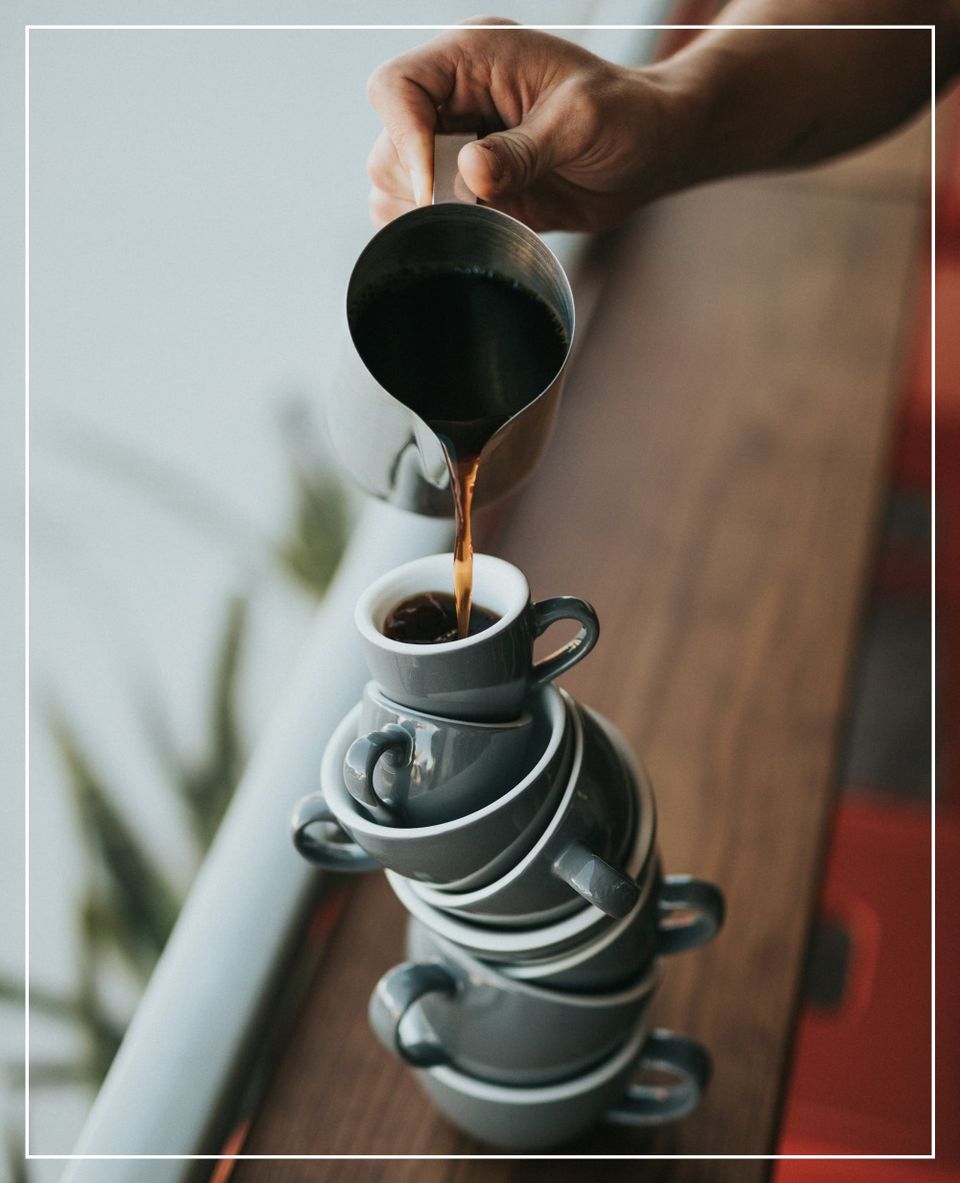
Yes, Caffeine Withdrawal is an official diagnosis in the DSM-5-TR!
Caffeine is the most widely consumed psychoactive substance in the world, acting as a central nervous system (CNS) stimulant (Curatolo & Robertson, 1983). Found in coffee, tea, energy drinks, sodas, chocolate, and even some medications, caffeine has a long and fascinating history. According to the Washington Post (2015), two billion cups of coffee are consumed per day worldwide.
Early History of Caffeine
Long before espresso machines and energy drinks, Native American peoples in what is now the Southeastern United States brewed a ceremonial drink called asi, or the “black drink,” from the roasted leaves and stems of Ilex vomitoria (Yaupon holly). They roasted the leaves and stems of the plant to brew the beverage, which was often consumed in ritual or ceremonial contexts. This drink is one of the earliest known sources of caffeine in North America, long before European colonists arrived. European colonists later adopted this beverage, calling it cassina, and used it as a coffee substitute.
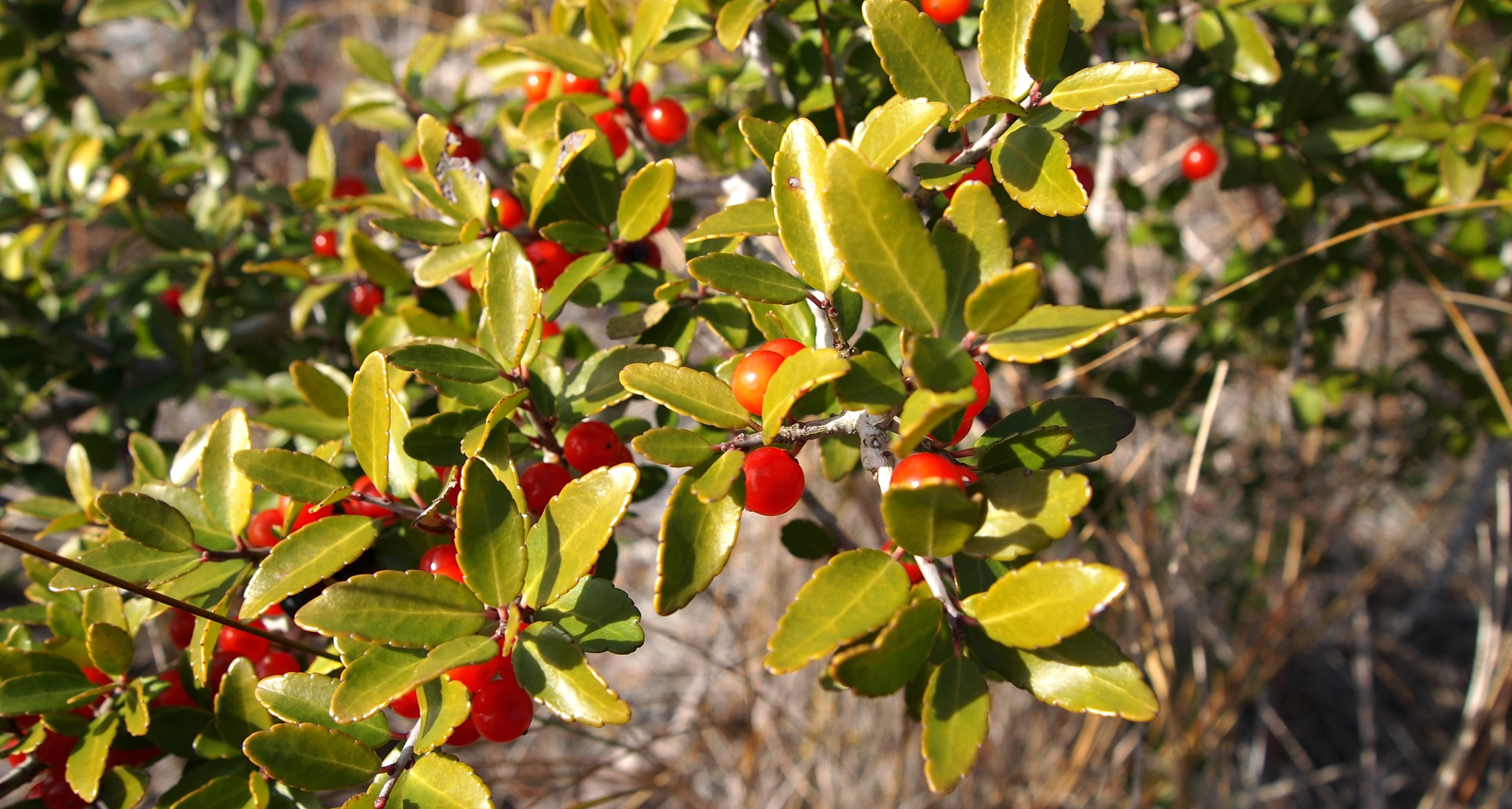
Coffee alternatives have a rich history as well. A German writer mentioned roasted, ground chickpeas as a coffee substitute in 1793, and by the 1830s, dandelion coffee was being consumed in North America. These early drinks reflect humanity’s long-standing fascination with stimulating beverages.
Caffeine Today
In North America, caffeine consumption is extremely common—over 80% of adults consume it regularly. In Canada, the average daily intake across all sources ranges from 210 to 238 mg per person. While moderate caffeine consumption can increase alertness and focus, too much or abrupt cessation can lead to withdrawal symptoms.
Caffeine is a natural stimulant that affects the central nervous system (CNS) and belongs to a group of compounds called methylxanthines. It works in several ways to give that familiar boost in energy and alertness, which is why many of us rely on it to kickstart our day. Research on caffeine’s effects on the brain has many mixed reviews. While it doesn’t seem to have a major impact on attention, it can help with speeding up processing information and improve mental performance. Some studies suggest caffeine may slightly influence mood, with anxiety being the most noticeable effect for certain people. On the brighter side, evidence points to caffeine helping both short- and long-term memory in adults and older adults. Caffeine can sharpen your mind and lift your mood, but like most things, it’s best enjoyed in moderation to avoid jitters, sleep disruption, or other unwanted side effects.
DSM-5-TR Criteria of Caffeine Withdrawal (F15.93)
The main feature of caffeine withdrawal is the presence of the the withdrawal syndrome that develops after ABRUPT cessation of prolonged daily caffeine ingestion. May individuals may not realize they are ingesting as much caffeine if they are not aware that it is present in other substances than just coffees, teas, sodas, and energy drinks. Being unaware may lead to be experiencing the following symptoms, resulting in meeting criteria for Caffeine Withdrawal.
A. Prolonged daily use of caffeine
B. Abrupt cessation of or reduction in caffeine use, followed with 24 hours by three (or more) of the following signs or symptoms:
- Headache
- Marked fatigue or drowsiness
- Dysphoric mood, depressed mood, or irritability
- Difficulty concentrating
- Flu-like symptoms (nausea, vomiting, or muscle pain/stiffness)
C. The signs or symptoms in Criterion B cause clinically significant distress or impairment in social, occupational, or other important areas of functioning.
D. The signs or symptoms are not associated with the physiological effects of another medication condition (e.g., migraine, viral illness) and are not better explained b y another mental disorder, including intoxication or withdrawal from another substance.
What do you do to treat caffeine withdrawal?
Caffeine withdrawal can have uncomfortable symptoms. Symptoms will usually begin 12-24 hours after the last dosage of caffeine and may peak after 1-2 days of abstinence. Caffeine withdrawal symptoms can last anywhere from 2 to 9 days, and research has shown to have withdrawal headaches occurring up to 21 days.

Luckily, you can take steps to minimize the symptoms of caffeine withdrawal:
- Go slowly: When it comes to decreasing caffeine, slow and steady is the way to go. It is recommended cutting back slowly over an extended period of time around 4 to 6 weeks. Some options for cutting back could be drinking 3 cups instead of 4 for several days, or switching to half decaf throughout the day. It takes time to create new and healthy habits.
- Hydrate: Caffeine is considered a mild diuretic, meaning it will increase your urine production. To minimize dehydration and the possibility of headaches, it is best to make sure you stay well-hydrated when trying to decrease your caffeine intake.
- Find a new go-to: Maybe we don't want to give up caffeine completely but wish we could drink less coffee. You can always try swapping your drink for a different type of caffeine, such as tea, bubbly water, or decaf later in the day.
- Seek a new boost: There are many ways to boost our energy without having to take a late afternoon coffee break. Some physical activity, such as a brisk walk, and fresh air will improve mood and give a boost of energy to keep you on track to create this new habit.
- Focus on the positives: Sometimes we do miss things that are not always the healthiest for us. If missing coffee is getting to be hard, reminding yourself the positives and benefits cutting back can be helpful. These benefits can be better, more restful sleep, a decrease in blood pressure, and even whiter teeth.
- Get adequate sleep. Being well-rested in the morning increases your energy level and decreases daytime drowsiness, resulting in less likely wanting to reach for more and more coffee throughout the day.
- Take pain relievers as directed. Using over-the-counter medication can help reduce headache pain that may come with a decrease in caffeine consumption.
- Patience is crucial when quitting caffeine. Caffeine can cause physical dependence, seeks reward pathways in our brain, and can cause high levels of tolerance, requiring more and more to have the same effects. This dependence is what makes it hard to create new habits. Don't be fooled by sources touting "the fastest caffeine detox methods."
Caffeine Moderation Guide: Daily Safe Limits
| Beverage / Source | Typical Serving Size | Approx. Caffeine (mg) | Notes & Tips |
|---|---|---|---|
| Brewed Coffee | 8 oz (1 cup) | 80–100 | Standard daily limit: ~4 cups (≈400 mg) |
| Espresso | 1 oz shot | 63 | Small volume, strong caffeine; consider double shots carefully |
| Black Tea | 8 oz | 40–70 | Steeping longer increases caffeine content |
| Green Tea | 8 oz | 25–45 | Contains L-theanine, which can reduce jitteriness |
| Energy Drinks | 8 oz | 70–100+ | Often combined with sugar; monitor total intake |
| Soda / Cola | 12 oz | 30–40 | Hidden caffeine can add up throughout the day |
| Decaf Coffee | 8 oz | 2–5 | Good option for lowering total intake |
| Dark Chocolate | 1 oz | 12–20 | Also contains theobromine, a milder stimulant |
Tips for Safe Consumption:
- Keep total daily caffeine under 400 mg for most healthy adults.
- Pregnant or breastfeeding individuals should aim for <200 mg/day.
- Listen to your body: jitteriness, trouble sleeping, or heart palpitations may indicate you’ve had too much.
Caffeine has a rich cultural history and offers benefits like improved alertness and mood, but like all stimulants, it works best when consumed thoughtfully. By understanding its effects, practicing moderation, and being aware of withdrawal symptoms, you can enjoy caffeine safely and sustainably.

References:
CAMH. (1999, December 31). Caffeine. CAMH. https://www.camh.ca/en/health-info/mental-illness-and-addiction-index/caffeine
Crown, P. L., et al. “Ritual Black Drink Consumption at Cahokia.” Proceedings of the National Academy of Sciences, vol. 109, no. 35, 6 Aug. 2012, pp. 13944–13949, https://doi.org/10.1073/pnas.1208404109.
Dick, Robert H. “Report on Coffee and Tea.” Journal of AOAC INTERNATIONAL, vol. 43, no. 3, 1 Aug. 1960, pp. 619–619, https://doi.org/10.1093/jaoac/43.3.619.
Fiani, B., Zhu, L., Musch, B. L., Briceno, S., Andel, R., Sadeq, N., & Ansari, A. Z. (2021). The Neurophysiology of Caffeine as a Central Nervous System Stimulant and the Resultant Effects on Cognitive Function. Cureus, 13(5), e15032. https://doi.org/10.7759/cureus.15032
Food Insight. (n.d.). Sources & amounts — Everything Caffeine. https://caffeine.foodinsight.org/sources-amounts/ IFIC
Healthline. (n.d.). How much caffeine in a cup of coffee? A detailed guide. https://www.healthline.com/nutrition/how-much-caffeine-in-coffee healthline.com+1
“ICARDA Cook Book.” Archive.org, 2025, web.archive.org/web/20120718064651/www.icarda.cgiar.org/Publications/Cook/Chickpea/Chickpea.html. Accessed 6 Nov. 2025.
Institute of Medicine (US) Committee on Military Nutrition Research. Caffeine for the Sustainment of Mental Task Performance: Formulations for Military Operations. Washington (DC): National Academies Press (US); 2001. 1, Basic Concepts. Available from: https://www.ncbi.nlm.nih.gov/books/NBK223799/
Mayo Clinic. (n.d.). Caffeine content for coffee, tea, soda and more. https://www.mayoclinic.org/health/caffeine/AN01211 Mayo Clinic+1
MedlinePlus. (n.d.). Caffeine. https://medlineplus.gov/caffeine.html MedlinePlus
Moodie, Susanna. Roughing It in the Bush Or, Life in Canada. Cambridge Univ Pr, 2011.