B is for Borderline Personality Disorder (BPD)

“I told her once I wasn’t good at anything. She told me survival is a talent.”
― Susanna Kaysen, Girl, Interrupted
🧠 The History of Borderline Personality Disorder: From Confusion to Compassion
Explore the history of Borderline Personality Disorder (BPD). From its first mention in 1938 to modern-day treatment and awareness, let's learn how the understanding has transformed with compassion and science. Borderline Personality Disorder (BPD) has a long and complicated history. It is often a misunderstood diagnosis and has a history of being heavily stigmatized on screen; being pervasive and stemming from layers of misinformation, often leading to negative stereotypes such as individuals being difficult, angry, or untreatable. This stigma is present publicly and even amongst mental health professionals, resulting in misunderstanding, judgment, premature termination of treatment, and difficulty accessing care.
Once seen as a mysterious “borderline” condition that didn’t fit into any previous diagnostic category, Borderline Personality Disorder is now recognized as a complex but treatable mental health disorder that affects millions of people worldwide.
🧩 Early Beginnings: The “Borderline” Concept (1930s–1940s)
The term “borderline personality” was first introduced in 1938 by American psychoanalyst Adolph Stern. At the time, psychiatry categorized patients as either psychotic (loss of touch from reality) or neurotic (excessively sensitive, obsessive, or anxious). But Stern began to notice a difference in groups of patients; those who didn’t fit neatly into either category. He called them the “borderline group” as their symptoms seemed to border on both sides: intense emotions, unstable relationships, and a fragile sense of self.
Other Key Thinkers of the Era
- Gregory Zilboorg (1941): Suggested that “borderline” was a mild form of schizophrenia. (It is now known to be it's own independent diagnosis)
- Helene Deutsch (1942): Described the “as-if personality”, meaning people mirrored others’ emotions and lacked a strong personal identity.
- Robert Knight (1940s): Introduced the term “borderline states” in ego psychology, helping with understanding emotional regulation and self-concept.
🔍 Defining the Disorder: The 1960s–1980s
By the 1960s, the concept of BPD began to have more science-backed information.
- Otto Kernberg (1967) played a major role in defining the “borderline” level of personality organization, describing it as a marked pattern between neurosis and psychosis.
- Roy Grinker (1968) conducted the first formal research on borderline personality, citing the first step toward clinical recognition.
- John Gunderson (1975) developed key diagnostic criteria that would later help define BPD as a standalone diagnosis and disorder.
Finally, in 1980, Borderline Personality Disorder became an official diagnosis with its inclusion in the Diagnostic and Statistical Manual of Mental Disorders (DSM-III). This gave validity to the mental health condition and allowed for more research and funding opportunities, resulting in more treatment options.
💡 New Hope: The Rise of Treatment and Awareness (1990s–2000s)
The 1990s marked a major step forward in treatment services for people with BPD. In 1993, psychologist Marsha Linehan introduced Dialectical Behavior Therapy (DBT). DBT became a groundbreaking, evidence-based treatment specifically designed for individuals with BPD. This treatment combines mindfulness, distress tolerance, emotional regulation, and interpersonal effectiveness, and became a gold standard of treatment worldwide for BPD.
In 1994, the DSM-IV clarified the diagnostic criteria to improve consistency in diagnosis. By 2008, recognition reached the national level when the U.S. House of Representatives declared May as National Borderline Personality Disorder Awareness Month.
📘The DSM-5 Criteria for Borderline Personality Disorder
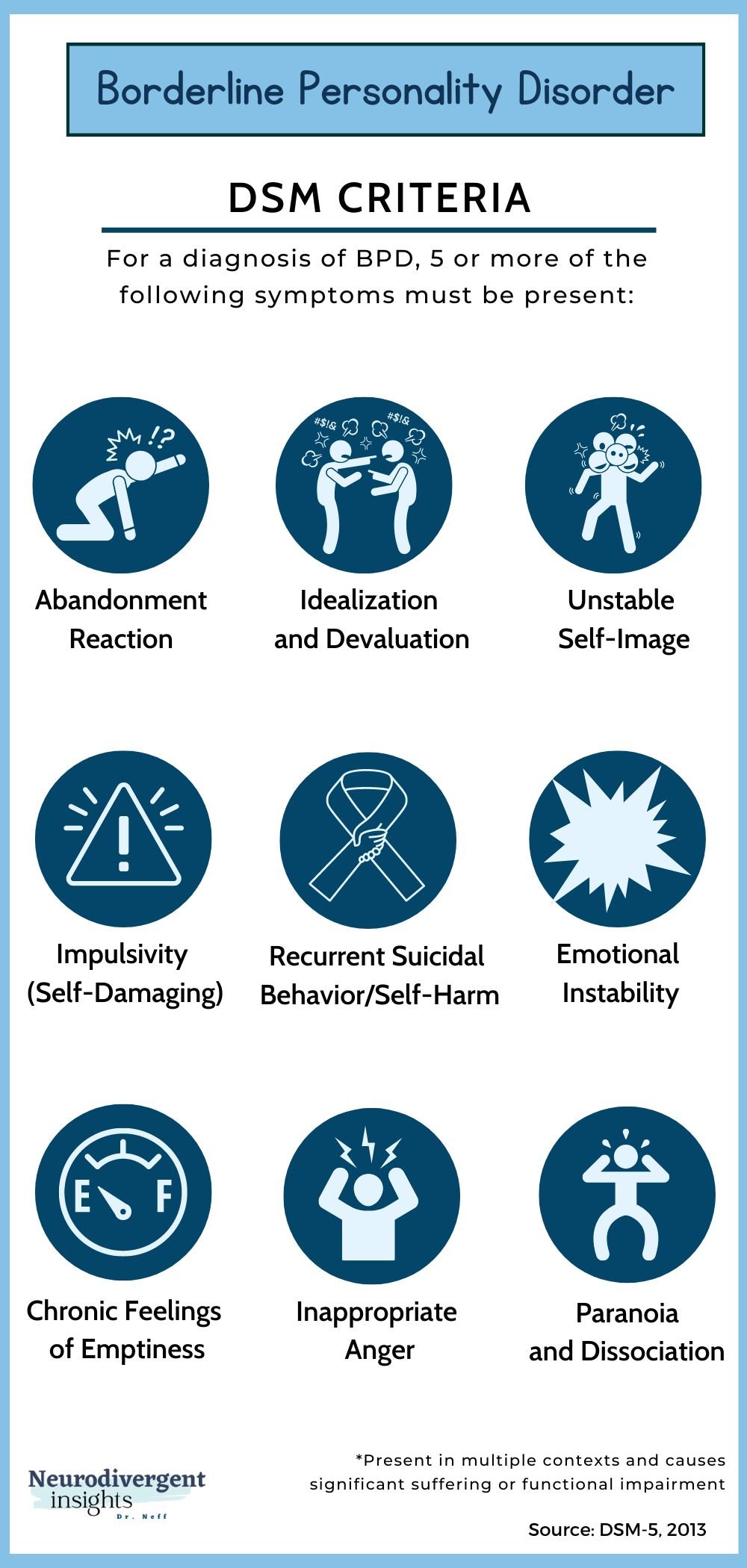
To meet the criteria for Borderline Personality Disorder, clients must have five of nine symptoms present. They must be present in multiple contexts and cause significant distress or impairment in relationships and overall functioning. The nine criteria of Borderline Personality Disorder include:
1. Frantic efforts to avoid real or imagined abandonment.
2. A pattern of unstable and intense interpersonal relationships characterized by alternating between extremes of idealization and devaluation.
3. Identity disturbance: markedly and persistently unstable self-image or sense of self.
4. Impulsivity in at least two potentially self-damaging areas (e.g., spending, sex, substance abuse, reckless driving, binge eating).
5. Recurrent suicidal behavior, gestures or threats, or self-mutilating behavior.
6. Affective instability due to a marked reactivity of mood (e.g., intense episodic dysphoria, irritability, or anxiety usually lasting a few hours and rarely more than a few days).
7. Chronic feelings of emptiness.
8. Inappropriate, intense anger or difficulty controlling anger (e.g., frequent displays of temper, constant anger, recurrent physical fights).
9. Transient, stress-related paranoid ideation or severe dissociative symptoms.
Understanding Treatment for Borderline Personality Disorder
Living with borderline personality disorder (BPD) can feel overwhelming at times. Intense emotions, impulsive actions, and struggles in relationships can make everyday life feel very difficult. But it’s important to know that BPD is treatable, and with the right support, many people go on to live meaningful, stable, and fulfilling lives.
💕The Heart of Treatment: Talk Therapy
The main form of treatment for borderline personality disorder is psychotherapy, often called talk therapy. This type of therapy aims to provide a safe space to explore emotions, build understanding, and develop tools for managing difficult moments.
In some cases, medications may be added to help with specific symptoms, and short-term hospitalization might be recommended if safety is at risk.
The overall goal of treatment is to help:
- Better understand emotions and what triggers them.
- Learn new ways to cope with distress without resorting to harmful behaviors.
- Build stronger, healthier relationships.
- Improve self-image and confidence.
If other mental health concerns such as depression, anxiety, or substance use are present, these are also addressed as part of a comprehensive treatment plan. Humans do not fit into one box. It is important for providers to make sure they are providing comprehensive treatment for their clients to encourage progress and help maintain their growth.
🗣️Exploring Different Types of Talk Therapy
There isn’t one single approach that works for everyone when treating mental illness. Therapists will often tailor treatment to fit needs, using one or more evidence-based therapies such as:
- Dialectical Behavior Therapy (DBT)
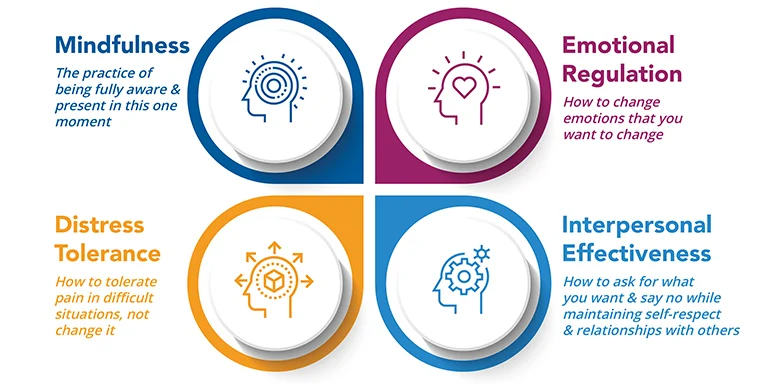
Developed specifically for BPD and is known as the golden standard worldwide, DBT combines individual and group sessions to teach mindfulness, emotional regulation, distress tolerance, and relationship skills. It’s one of the most well-researched and effective treatments for BPD.
- Cognitive Behavioral Therapy (CBT)
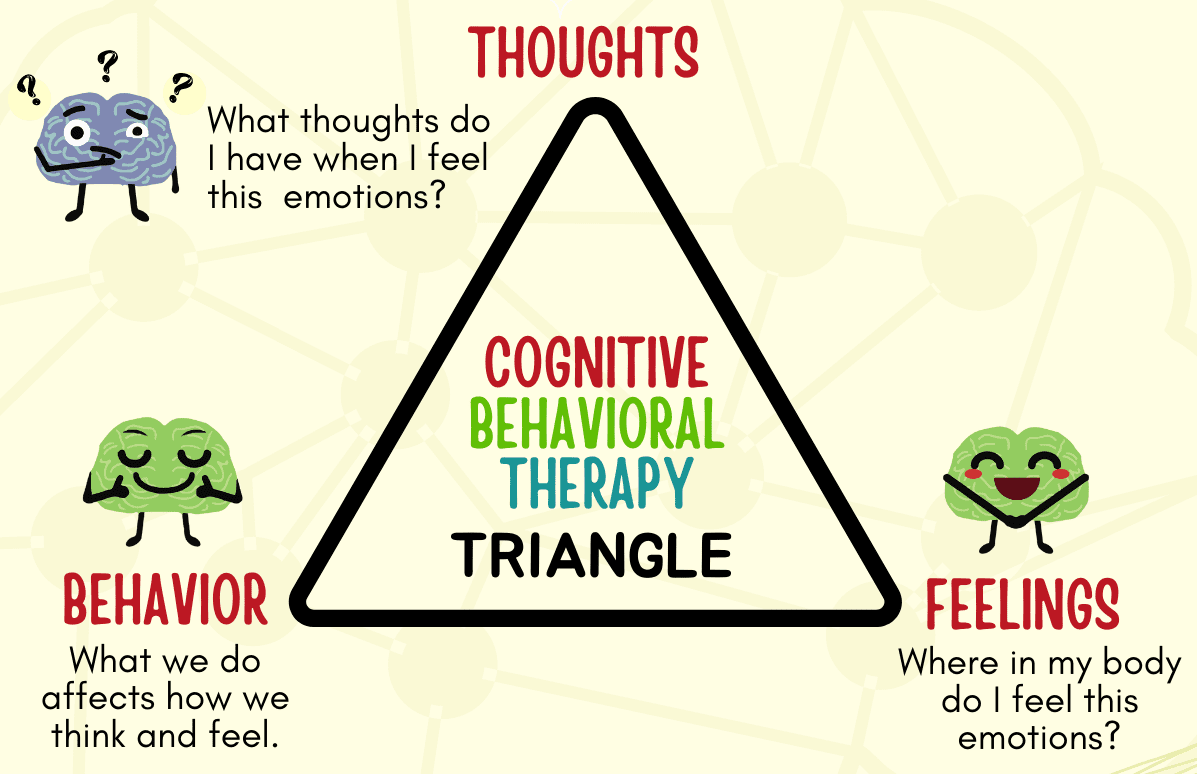
CBT focuses on identifying and reshaping negative thought patterns that influence emotions and behavior. It can help reduce anxiety, mood swings, and impulsivity while promoting healthier ways of thinking.
- Schema-Focused Therapy
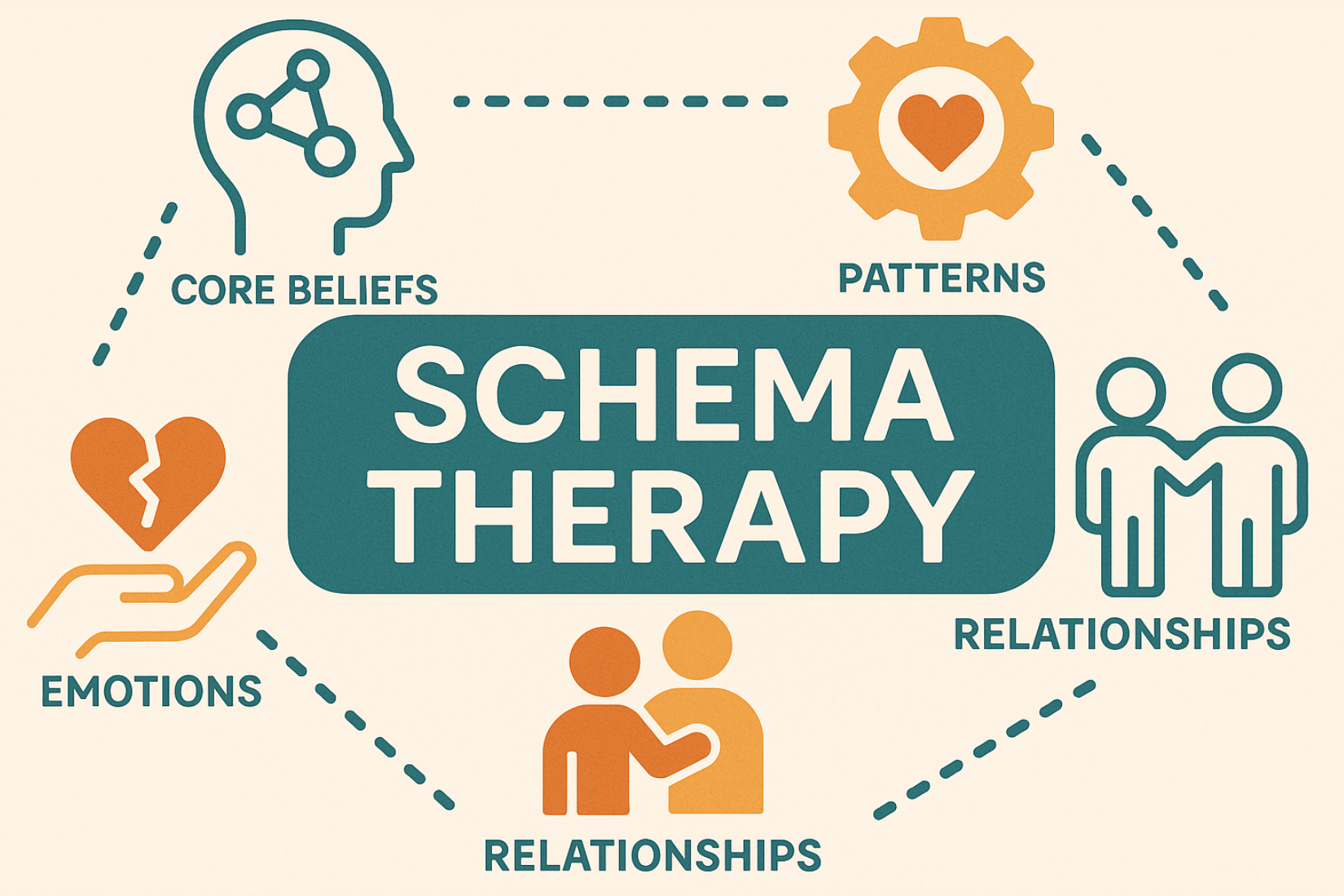
This approach helps uncover long-standing negative beliefs about the self and others. These negative beliefs can often be formed in childhood. Schema-focused therapy helps replace these negative beliefs with a more balanced, compassionate perspective.
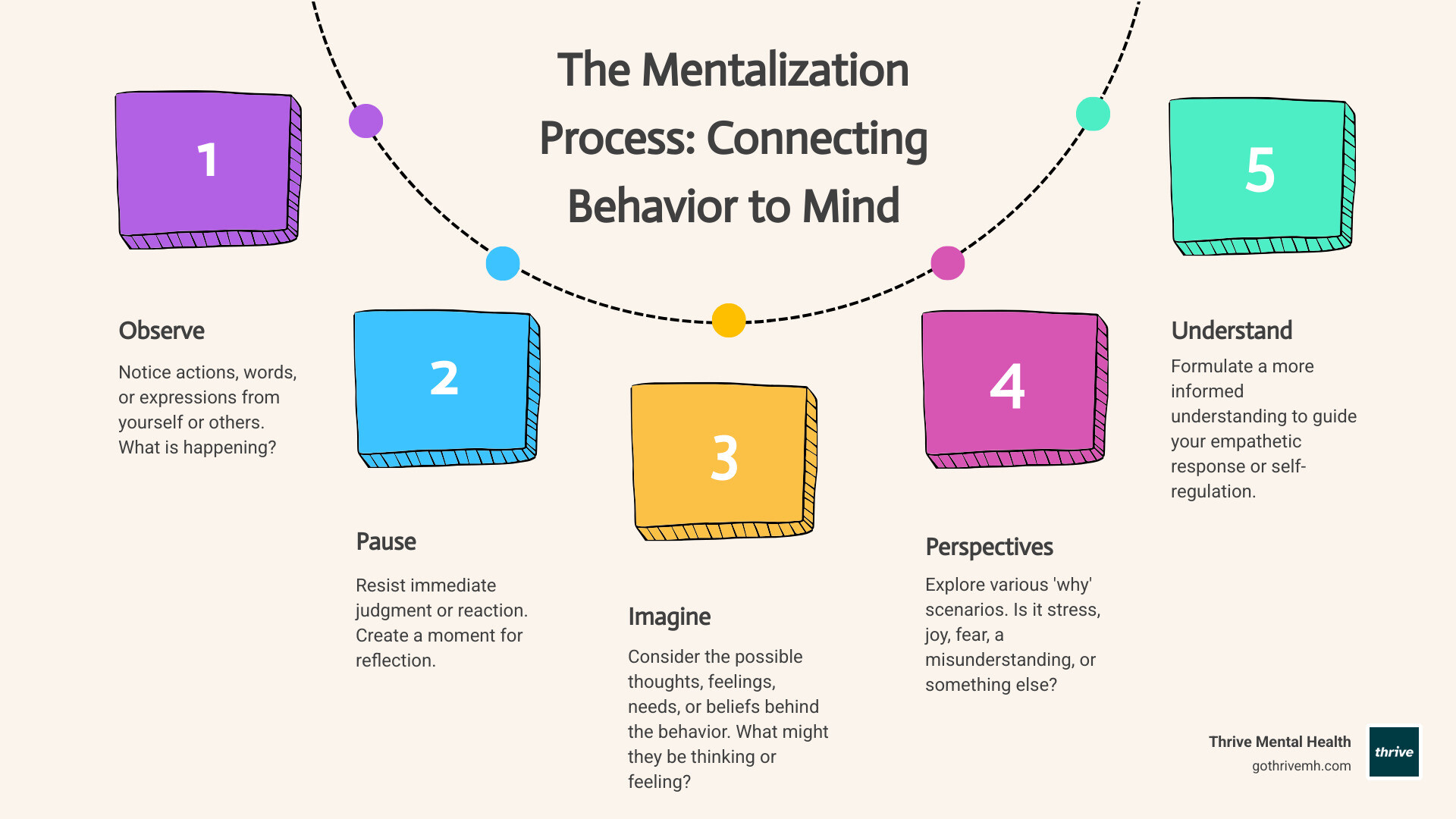
- Mentalization-Based Therapy (MBT)
MBT encourages reflection before reaction. By understanding our own thoughts and emotions, as well as those of others, clients can improve empathy and reduce emotional outbursts.
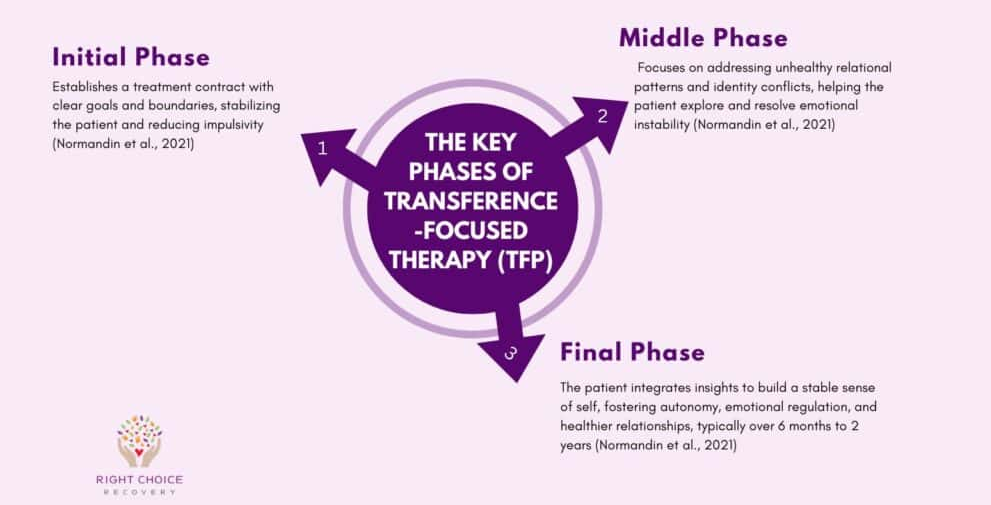
- Transference-Focused Psychotherapy (TFP)
Also known as psychodynamic therapy, TFP explores emotional patterns that surface in relationships with a therapist and helps with applying new insights to real-life situations.
- Systems Training for Emotional Predictability and Problem-Solving (STEPPS)
A 20-week structured group program that involves family, friends, and caregivers. STEPPS helps everyone better understand BPD and learn strategies for emotional stability and effective problem-solving.
💊The Role of Medication
Currently, there are no medications specifically approved by the FDA to treat borderline personality disorder. However, medications may help with symptoms or other related conditions such as depression, anxiety, impulsivity, or aggression.
Commonly used options include:
- Antidepressants
- Mood stabilizers
- Antipsychotic medications
🏥When Hospital Care May Be Needed
At times, hospitalization or treatment in a psychiatric setting may be necessary. BPD can cause an increase in self-harming behaviors or suicidal ideation which may result in hospitalization to encourage stabilization, receive care, and have identified supports for crisis services.
❤️🩹Recovery Is a Process — and It’s Possible
Most people who seek treatment for BPD experience significant improvement in their emotional stability and quality of life. While symptoms can fluctuate, therapy helps make the difficult moments more manageable and the good moments more sustainable.
Working with a mental health professional experienced in treating BPD can make all the difference. With consistent care, self-awareness, and support, it’s absolutely possible to build a grounded and fulfilling life.
🎥Movies Exploring Borderline Personality Disorder
Borderline Personality Disorder (BPD) is a complex mental health condition often misunderstood and misrepresented in media. However, several films have shown what life may feel like for someone living with emotional instability, impulsivity, and struggles with identity.
1. Prozac Nation (2001)
Based on the memoir by Elizabeth Wurtzel, Prozac Nation follows a young Harvard student, played by Christina Ricci, who battles depression, addiction, and self-destructive behavior. Although the film labels her mental illness as depression, her impulsivity, emotional swings, and unstable relationships closely mirror symptoms of BPD.
2. Thirteen (2003)
This emotional drama follows two teenage girls (played by Evan Rachel Wood and Nikki Reed) who spiral into substance abuse, self-harm, and risky behavior.
Co-written by Reed and inspired by her own life, Thirteen captures the chaos and emotional turbulence often seen in BPD, especially during adolescence.
3. Fatal Attraction (1987)
A psychological thriller staring Glenn Close as Alex Forrest, is a woman who becomes dangerously obsessed after a brief affair. Her intense emotions, fear of abandonment, and impulsive reactions make her a classic, but extreme, example of BPD traits.
4. Silver Linings Playbook (2012)
In this Oscar-winning film, Bradley Cooper plays a man managing bipolar disorder, while Jennifer Lawrence portrays Tiffany, a young widow showing signs of BPD - impulsivity, mood swings, and difficulty forming stable relationships.
Their chaotic but heartfelt connection reflects how love and mental illness can collide in unpredictable ways.
5. Monster (2003)
Charlize Theron won an Academy Award for her portrayal of Aileen Wuornos, a real-life sex worker and convicted murderer. Wuornos suffered severe childhood trauma and was later diagnosed with BPD. Monster offers a disturbing but humanizing look at how trauma and untreated mental illness can shape a person’s path.
6. Frances (1982)
Based on the true story of actress Frances Farmer, this film shows how fame and mental illness can collide tragically. Jessica Lange’s performance captures Farmer’s volatile emotions and inner turmoil, which ultimately led to her institutionalization.
7. Rachel Getting Married (2008)
Anne Hathaway stars as Kym, a woman released from rehab to attend her sister’s wedding. While not explicitly labeled with BPD, Kym’s guilt, self-destructive behavior, and emotional volatility reflect many traits of the disorder—especially as she struggles to reconnect with her family.
8. Girl, Interrupted (1999)
Maybe the most well-known film about BPD, Girl, Interrupted stars Winona Ryder as Susanna Kaysen, who is hospitalized after a suicide attempt and diagnosed with borderline personality disorder. Her friendship with fellow patient Lisa (Angelina Jolie) highlights two possible paths: self-destruction or recovery.
9. Margot at the Wedding (2007)
Nicole Kidman plays Margot, a writer whose sharp tongue and emotional instability wreak havoc during her sister’s wedding weekend. Through humor and tension, the film reveals how BPD traits such as manipulation, sensitivity, and impulsivity, can affect family relationships.
More movies portraying Borderline Personality Disorder:
- Eternal Sunshine of the Spotless Mind
- Welcome to Me
- Single White Female
- One Hour Photo
- Wreck It Ralph
- Gia
- American Psycho
- Uncut Gems
- Mommie Dearest
- Looking for Mr. Goodbar
Hollywood has often gravitated toward characters with borderline personality disorder. Their emotional depth and unpredictability make for compelling storytelling, although may feel exaggerated for some. While not all portrayals are perfect, these films open up important conversations about mental health, trauma, and the human desire for connection.
🔬 Today: Progress Through Research and Empathy
Modern research continues to deepen our understanding of BPD. Recent research has helped providers understand BPD's link to childhood trauma, emotional sensitivity, and even a client's neurobiology. Today, clinicians and advocates emphasize compassion over stigma and focus on recovery, not hopelessness. With effective therapies like DBT, schema therapy, and mentalization-based treatment, many people with BPD are able to lead fulfilling, meaningful lives.
The history of Borderline Personality Disorder is more than just a record of medical progress, it’s a story about empathy, human complexity, and the power of understanding. What began as a misunderstood “borderline” condition has become a well-recognized, treatable disorder thanks to decades of research, advocacy, and, most importantly, the courage of people who live with it.
References
National Collaborating Centre for Mental Health (UK). Borderline Personality Disorder: Treatment and Management. Leicester (UK): British Psychological Society (UK); 2009. (NICE Clinical Guidelines, No. 78.) 2, BORDERLINE PERSONALITY DISORDER. Available from: https://www.ncbi.nlm.nih.gov/books/NBK55415/
Mayo Foundation for Medical Education and Research. (2024, January 31). Borderline personality disorder. Mayo Clinic. https://www.mayoclinic.org/diseases-conditions/borderline-personality-disorder/diagnosis-treatment/drc-20370242
The history of BPD: From past to present. OPI Residential Treatment Center for Young Adults. (2025, July 6). https://www.optimumperformanceinstitute.com/bpd-treatment/the-history-of-bpd/
9 BPD Movies About Borderline Personality Disorder. (2022, January 5). Summit Malibu. https://summitmalibu.com/blog/bpd-movies-about-borderline-personality-disorder/
Mclean Hospital. (2025). How Borderline Personality Disorder Is Diagnosed at McLean Hospital. Mcleanhospital.org. https://www.mcleanhospital.org/treatment/bpd-diagnosis
Chapman J, Jamil RT, Fleisher C, et al. Borderline Personality Disorder. [Updated 2024 Apr 20]. In: StatPearls [Internet]. Treasure Island (FL): StatPearls Publishing; 2025 Jan-. Available from: https://www.ncbi.nlm.nih.gov/books/NBK430883/