The Public Health Case for Needle Exchanges Services
I have a task for you to complete, if you would humor me for the few minutes it takes to read this blog post.
I'm going to ask a series of questions. With each question, I was hoping you could sit with that question for just a few seconds, maybe give yourself even 5 seconds, and respond to it before moving on to the next. Think about what your answers might be each time.
This is a mental health blog after all 🧠; I may ask you to complete some mindfulness techniques or encourage insights and awareness growth for yourself with a post every now and then. 😁 It's done all in the name of good mental health!
Ready?
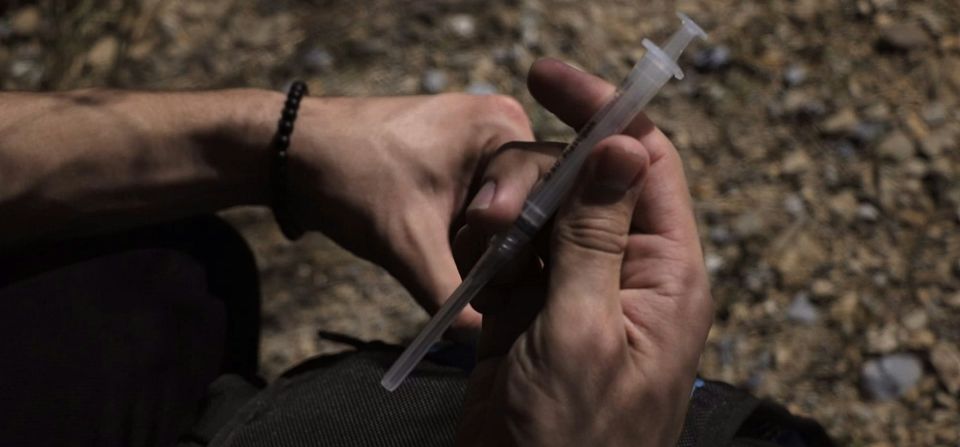
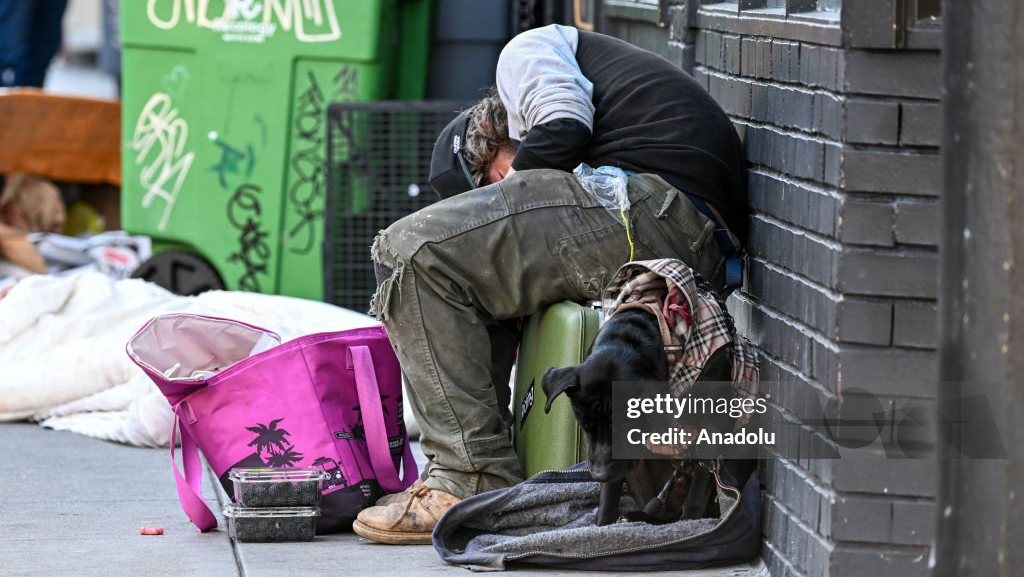
When you hear the words needle exchange, what emotions come up for you?
What image pops into your brain?
Is this an image of a building? A neighborhood? Maybe a person?
If it is a person, what does this person look like to you?
What clothes do they wear? What shoes are on their feet?
How do you feel about this person?

Would you smile at this person? Do you think you would have a conversations with this person if you saw them on the sidewalk?
What do you think about this person?
What beliefs do you hold about them?
The words needle exchange invoke a strong reaction in people. It is a highly divided topic that many people would probably prefer to ignore. Some people see it as a way to prevent public health issues and decrease healthcare costs while others see it as a way to enable people to continue to use substances. Not really a conversation you want to have at family gatherings, is it?
As a mental health therapist who takes a strong harm reduction approach to much of their work, I believe the benefits of needle exchange programs far outweigh the costs. I write this blog post not to say you are wrong if you think differently than me, but to share evidence-based information to help you make an informed decision about these programs.
Let's go on a road trip.
Operational Denial
Grand Forks, North Dakota. This community has made national news a few times. From the extreme weather temperatures experienced throughout the year, to being known as the birthplace of Cream of Wheat (What?! No way!), Grand Forks has had it's name thrown into the national news cycle hat a few times.
But, there have been other experiences that have put the community in the spot light, and not always for good reasons. Some examples are: the Red River Flood and Fire of 1997, the intensely charged changing of the UND school mascot in 2015 (that people are still upset by today), and to the saddening experiences of overdose deaths by loved ones, leading to federal investigations.
Grand Forks was (and still is) dealing with a fentanyl crisis that happened to peak between 2014 and 2015 due to a series of sad events. The fatal fentanyl overdose of two young men, 19-year-old Evan Poitra, who died on July 16th, 2014, and then 18-year-old Bailey Henke, who died on January 3rd, 2015 sparked a federal investigation. The Organized Crime and Drug Enforcement Task Force began investigating a drug trafficking ring that spanned multiple states and would later become known as "Operation Denial."
These multiple states were believed to have had received imported fentanyl from China and Canada, with 15 identified victims – 4 of which resulted in fatal overdoses in North Dakota alone (Three Dark Web Fentanyl Traffickers Sentenced in “Operation Denial” – United States Postal Inspection Service, n.d.).
Several people were later indicted and sentenced, three being foreign nationals, for their connection to this trafficking ring. Those indicted and sentenced were from a range of places such as Georgia, Washington, and Oregon, all the way to Canada, Colombia, and China. The fentanyl made it's way to North Dakota where it was distributed by multiple local dealers in Grand Forks, North Dakota. [(Grand Forks Documentary Gives Sobering Details on Drug Problems, 2016; (2026. Justice.gov.)]
We Are In A Crisis
Currently, our country is experiencing a public health crisis. And it is not going away by us ignoring it. The misuse of prescription opioid pain relievers, as well as heroin and fentanyl, has people turning to unsafe injection practices that put them at risk of overdose deaths and transmitting blood-borne infectious diseases. (HIV.gov, 2020)
We have tried the old way of dealing with drugs and substance abuse; it's not working. Substance usage has continued, illnesses have continued to be transmitted via old syringes and healthcare costs are only rising. Why not try something different?
SSPs are community-based prevention programs
These programs usually have two main goals:
- Increase access to safe services in a harm reduction manner for those who use or inject drugs (or even have a history of injecting drugs).
- Reduce the incidence of infectious diseases and other complications of injection drug use.
Organizations that provide needle exchange services focus on a harm reduction approach. That includes:
- Access to sterile syringes and disposal of used injection equipment.
- Testing and vaccination for infectious diseases, such as HIV and Hepatitis.
- Referrals to treatment for infectious diseases.
- Referrals to substance use and mental health treatment.
- Reduction in syringe disposal on the streets and sidewalks.
SSPs are recognized nationally as a cost savings measure.
Every $1 spent on operations and services for SSPs means there are $7.48 saved in healthcare costs. Needle Exchange protects the public by providing education and ensuring clean and safe supplies for proper syringe use and disposal that is easily accessible. (Kramer, 2026)
Let's Get Local: Grand Forks, ND
Authorized by the North Dakota Department of Health HHS, the Any Positive Change (APC) Project in Grand Forks is a harm-reduction program that aims to protect the community by preventing the transmission of diseases. It does so by providing sterile supplies, safe disposal, and local health resources to individuals at risk from substance use. The APC Project’s main objectives are:
- Confidential Support: Offers non-judgmental and low-barrier resources.
- Disease Prevention: Provides sterile equipment and safe needle disposal to prevent the sharing of bloodborne pathogens such as HIV and Hepatitis C.
- Testing: Provides on-site, no-cost testing for Hepatitis C and HIV Grand Forks Public Health.
- Overdose Reversal: Distributes naloxone (Narcan Nasal Spray) and provides training to prevent opioid overdose deaths.
These services of the program are confidential and are open to the public to those aged 18+ regardless of if you are a North Dakota resident or not. They also offer other services to ensure a healthier public for the communities.
Other services offered:
- Syringe Exchange
- Sharps Disposal
- Sharps Containers
- Fentanyl and Xylazine test strips
- Hepatitis C and HIV testing and referrals
- Naloxone and naloxone training
- Connection to harm reduction primary care services
- Referrals to substance use disorder treatment
- Peer support services
- Risk reduction education
Learn more about Grand Forks' Program: Syringe Service Program
The APC Project is located in the Spectra Health Building (212 South 4th Street Grand Forks, ND). Office is located on the first floor of the building to the right of the entry doors.
If you have questions, you may call or text (701) 335-6051.
(Syringe Service Program | City of Grand Forks, ND, 2026)
Let's Get Local: Fargo, ND
Fargo, ND has been in the spot light recently due to their current mayoral race. The topic of SSP has come up, again, being a dividing topic amongst those running for mayor.
Holly Scott, the public information officer for Fargo Cass Public Health stated Syringe Services Programs are prevention programs, with being able to offer testing, supplies for safe usage, and referrals for treatment services. Supplies includes syringes, Narcan Nasal Spray, and boofing kits (supplies used for rectal administration of drugs).
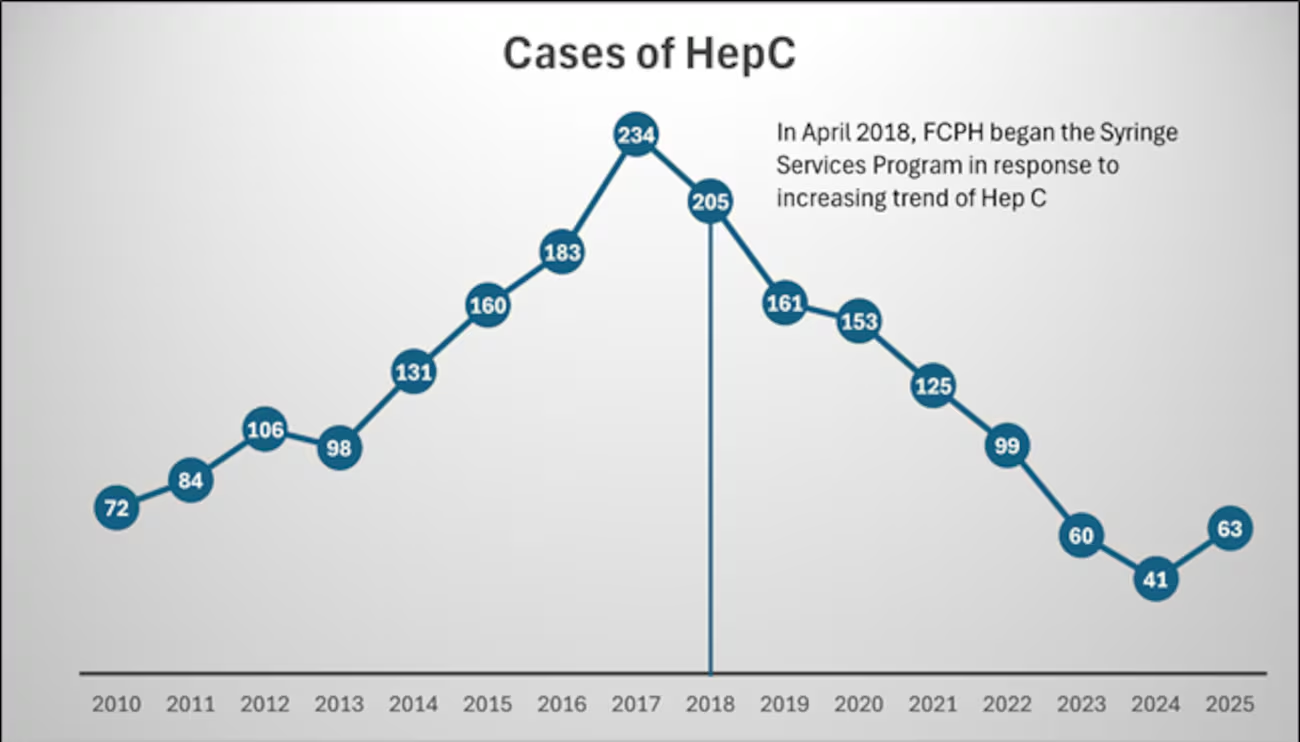
So why do we want these programs over harsher responses such as arresting individuals for their drug usage? Since 2018 in Fargo, 3,187,800 syringes have been distributed.
- The program provided 497,491 syringes to participants in 2025.
- From January 1, 2026, through May 15, 2026, 150,016 syringes have been provided.
Fargo Cass Public Health reports cases of hepatitis C in Cass County have declined by 69% since the program opened.
Prevention and Treatment Referrals
A life was saved 569 times throughout 2025 using naloxone (Narcan Nasal Spray) provided to the program participants, according to Scott. From April 2018 to April 2026, a life was saved 2,828 times.
Through 2025, 3,293 referrals were made for HIV, hepatitis C and STD screening services. The program has made over 940 referrals for substance use disorder treatment, 368 referrals for behavioral and mental health services, and 109 referrals for housing resources. (Kramer, 2026)

What happens if we shut it down?
As said earlier, SSPs can be a dividing topic. Some people argue we should not be providing the service as it "encourages the use of drugs." I can understand where this thought has come from. And I do not think it is rooted in what scientific research tells us about these services.
If we look at what research says, it suggests that permanent closure, or even temporary interruption, of existing programs may lead to a “rebound” in HIV outbreaks.
Research shows that when syringe services programs end, people increasingly inject drugs with unclean needles, and their access and usage of Naloxone – overdose prevention – decreases.
- The suspension of a SSP in rural West Virginia increased risks for HIV/HCV acquisition and overdose among PWID.
- In 2015, Indiana's rural Scott County found itself in the national spotlight when intravenous drug use and sharing needles led to an outbreak of HIV.
- This program was credited with a 99.6% reduction in new HIV infections. \
- Local commissioners voted to end the program in 2021 and public health modeling projected that a permanent SSP closure would cause a 58.4% increase in the rate of HIV among the injection drug-using population (HIV in the American Midwest | Think Global Health, n.d.).
Program closures have been shown to lead to a resurgence in bloodborne infections, as well as an increase in unsafe needle disposal. These programs don't just provide needles for safe exchange, they also connect individuals with mental health and addiction services. When these programs are cut, funding disappears and so does this connection.
Closures also lead to missed opportunities for addiction treatment. According to the National Association of Counties, individuals who utilize syringe exchange programs are 5 times more likely to enter drug treatment programs and 3.5 times more likely to stop injecting drugs entirely than those without access (Taylor, 2019).
Nearly 30 years of research show that SSPs are safe, effective, and cost-saving. These programs have not been found to increase illegal drug use or crime. The programs play an important role in reducing the transmission of viral hepatitis, human immunodeficiency virus (HIV), and other infections. (CDC, 2024) SSPs are associated with an estimated 50% reduction in HIV and hepatitis C incidence, while also providing a reduction in street disposal of syringes, creating cleaner neighborhoods.
Needle exchange programs help create pathways for individuals to make long-term change. These programs help people get services they may not be able to afford on their own, provide mental health care to treat their substance use disorder, and help with maintain housing, resulting in saving tax-payer's money. If these programs are to happen in our neighborhoods, it would be at a cheaper cost than if they weren't provided at all.
Clean and safe exchanging of needles in our public health leads to cleaner and healthier neighborhoods.

If you would like to watch a Grand Forks locally produced documentary of the Fentanyl crisis, check out the YouTube link: https://www.youtube.com/watch?v=1S1qYjK3F0A
"FADED is a documentary that follows four families that have been impacted by the synthetic drug Fentanyl. This video is intended to help inform you about the extreme dangers of Fentanyl, a lethal synthetic drug impacting our community and is resulting in overdoses and death. This is not an issue that is targeting certain socioeconomic classes; it is being abused by a wide range of youth and is easily obtained."
References:
(2026). Justice.gov. https://www.justice.gov/usao-nd/pr/grand-forks-resident-sentenced-fentanyl-conspiracy-operation-denial
Allen, S. T., Grieb, S. M., O’Rourke, A., Yoder, R., Planchet, E., White, R. H., & Sherman, S. G. (2019). Understanding the public health consequences of suspending a rural syringe services program: a qualitative study of the experiences of people who inject drugs. Harm Reduction Journal, 16(1). https://doi.org/10.1186/s12954-019-0305-7
CDC. (2024, May 28). Strengthening Syringe Services Programs (SSPs). Strengthening Syringe Services Programs. https://www.cdc.gov/hepatitis-syringe-services/php/about/index.html
Clarke, K., Harris, D., Zweifler, J. A., Lasher, M., Mortimer, R. B., & Hughes, S. (2016). The Significance of Harm Reduction as a Social and Health Care Intervention for Injecting Drug Users: An Exploratory Study of a Needle Exchange Program in Fresno, California. Social work in public health, 31(5), 398–407. https://doi.org/10.1080/19371918.2015.1137522
Grand Forks documentary gives sobering details on drug problems. (2016, May 11). Bemidji Pioneer. https://www.bemidjipioneer.com/news/grand-forks-documentary-gives-sobering-details-on-drug-problems
HIV.gov. (2020). Syringe Services Programs. HIV.gov. https://www.hiv.gov/federal-response/other-topics/syringe-services-programs
HIV in the American Midwest | Think Global Health. (n.d.). Council on Foreign Relations. https://www.thinkglobalhealth.org/article/hiv-american-midwest
Karsten, M. B. (2023). A case for needle exchange programs: Not letting perfection be the enemy of the good. Georgetown Medical Review, 7(1). https://doi.org/10.52504/001c.83277
Kramer, E. (2026, May 20). Fargo needle program distributed 3.1 million syringes since 2018, 710 boofing kits since 2024. Https://Www.valleynewslive.com; KVLY. https://www.valleynewslive.com/2026/05/20/fargo-needle-program-distributed-31-million-syringes-since-2018-710-boofing-kits-since-2024/
Syringe Service Program | City of Grand Forks, ND. (2026). Grandforksgov.com. https://www.grandforksgov.com/government/city-departments/public-health/opiate-response/syringe-service-program
Taylor, C., & 2019. (2019, February 20). The benefits and challenges of needle exchange programs. NACo. https://www.naco.org/articles/benefits-and-challenges-needle-exchange-programs
Three Dark Web Fentanyl Traffickers Sentenced in “Operation Denial” – United States Postal Inspection Service. (n.d.). Www.uspis.gov. https://www.uspis.gov/three-dark-web-fentanyl-traffickers-sentenced-in-operation-denial
U.S. Attorney's Office, District of North Dakota. (n.d.). Chinese National and Eight Others Indicted in North Dakota in “Operation Denial” [Review of Chinese National and Eight Others Indicted in North Dakota in “Operation Denial”]. U.S. Department of Justice. Retrieved October 17, 2017, from https://www.justice.gov/usao-nd/pr/chinese-national-and-eight-others-indicted-north-dakota-operation-denial
Zang, X., Goedel, W. C., Bessey, S. E., Lurie, M. N., Galea, S., Galvani, A. P., Friedman, S. R., Nosyk, B., & Marshall, B. D. L. (2022). The impact of syringe services program closure on the risk of rebound HIV outbreaks among people who inject drugs: a modeling study. AIDS (London, England), 36(6), 881–888. https://doi.org/10.1097/QAD.0000000000003199