September, the month of Suicide Prevention
TRIGGER WARNING - DISCUSSION OF SUICIDE
September quietly carries deep meaning for millions of people. It's not just about the changing seasons; September is National Suicide Prevention Awareness Month and National Recovery Month. These campaigns hope to bring awareness to communities, encourage open and honest conversations while reducing stigma, and provide support services to those in need. In the U.S., suicide remains a major public health issue. According to 2023 data from the CDC, the suicide rate was 14.1 per 100,000 people. Over 49,300 lives were lost to suicide.
A Look at the Numbers: The Faces Behind the Stats
Understanding the trends helps us recognize who’s most affected and helps us determine where we can encourage supports.
By Gender:
- Men are nearly 4 times more likely to die by suicide than women. In 2023, the rate for men was 22.8 per 100,000, and they accounted for nearly 80% of all suicides.
- Women had a lower rate of 5.9 per 100,000, but suicide still impacts thousands of women and girls each year.
Men's suicide attempts are more lethal - they are more likely to result in death than women's attempts. It's known as the "gender paradox of suicide".
- Attempts vs. completions: Women are more likely to attempt suicide, but men die by suicide at a much higher rate.
Factors contributing to higher lethality
- Method of suicide: Men tend to use more violent and highly lethal methods, such as firearms, hanging, or jumping from a height. In contrast, women more commonly use methods with a lower fatality rate, like poisoning or overdosing. In the U.S., firearms account for over 50% of male suicides.
- Suicidal intent: Research suggests that men's suicide attempts are often associated with a higher intent to die, whereas women's attempts may be less lethal and serve to communicate distress.
- Help-seeking behavior: Social factors - gender stereotypes that portray men as needing to be strong and decisive - may cause men to avoid seeking help for mental health issues. This can result in a longer period of silent struggle and have higher potential for a successful attempt at suicide. Women are more likely to seek treatment which may help prevent fatal outcomes.
- Underlying factors: Studies have identified different contributing factors for men and women.
- men: factors may include substance abuse and specific personality disorders as a major driver of suicidal behavior.
- women: factors may include major depression as this prominent driver.
By Age:
- For ages 10–34, suicide is now the second leading cause of death.
- Among men 85 and older, the rate is the highest: 40.7 per 100,000.
- Women aged 45–64 have the highest suicide rate among females.
Older adults
- Method and intent: Among older adults, suicide attempts are more likely to be fatal due to careful planning, more lethal methods, and greater physical frailty. While the ratio of attempts to completed suicides is approximately 4:1 among the elderly, it is much higher for younger people.
- Risk factors: Contributing factors include isolation, physical health issues, and underlying mental health conditions, with some misinformed beliefs viewing depression as a normal part of aging.
Youth and young adults
- Increasing rates: Some data indicates that rates for young people increased over the last two decades.
- Attempts vs. completion: Youth and young adults have a significantly higher rate of suicide attempts compared to completions.
By Race & Ethnicity:
- American Indian and Alaska Native communities face the highest suicide rates (27.1 per 100,000), followed by non-Hispanic White people (17.6 per 100,000).
- Suicide rates have been rising fastest among people of color, especially within Black, American Indian, and Alaska Native populations.
Systemic and cultural factors driving disparities
- Access to mental healthcare: People of color often face greater barriers to accessing mental health services due to lack of insurance, financial and logistical issues, and a lack of culturally competent providers.
- Underdiagnosis/Misdiagnosis: Mental illness may be underdiagnosed, or even misdiagnosed among people of color due to a lack of culturally sensitive screening tools and mislabeling of symptoms.
- Stigma: A greater stigma surrounding mental illness and seeking help can also prevent individuals in minority groups from receiving treatment.
- Discrimination and trauma: Experiences with racism, discrimination, and historical trauma are significant risk factors for suicide, particularly for AI/AN and Black populations.
- Provider bias: Provider bias and discriminatory treatment in healthcare settings contribute to disparities in mental health care and can lead to unmet needs.
- Socioeconomic factors: Higher rates of poverty, unemployment, and other socioeconomic issues faced by some minority groups can contribute to mental distress and suicidal behavior.
By Location:
A combination of social, economic, and cultural factors can drive higher suicide rates in rural communities.
- Suicide rates are higher in rural areas—20.0 per 100,000, compared to 13.4 in cities.
- Montana, Alaska, and Wyoming consistently have the highest suicide rates.
- States like New Jersey, New York, and Massachusetts see the lowest rates.
Contributing factors to higher rural rates
- Limited access to healthcare: Rural areas face a critical shortage of mental and behavioral health providers. Long travel distances, a lack of transportation, and less reliable internet access for telehealth appointments create significant barriers to care.
- Economic stress: Residents of rural areas are more likely to face financial hardship. This includes higher rates of poverty, unemployment, and lower household income. Farmers and ranchers can be particularly vulnerable to financial pressures.
- Social isolation: Living farther from neighbors and relatives and having limited access to community engagement can lead to feelings of loneliness and detachment.
- Stigma surrounding mental health: Cultural norms of self-reliance and emotional stoicism in some rural communities discourage individuals from openly discussing mental health challenges or seeking treatment.
- Access to lethal means: Rural communities have a higher rate of firearm ownership/easy access to guns which contribute significantly to higher suicide rates. Firearms are the most common and lethal method used in suicide.
- Opioid epidemic: Research suggests that the opioid epidemic, which has disproportionately affected rural areas, may also contribute to the increase in suicide risk.
What September Represents
🧠 National Suicide Prevention Awareness Month
This month brings together communities, advocates, and survivors to talk openly about mental health and suicide. It's a time to learn the signs, share stories, and connect people with help.
🌍 World Suicide Prevention Day – September 10
Observed globally, this day reminds us that suicide is preventable. Small actions can save lives.
📆 National Suicide Prevention Week
Spanning the week that includes September 10, this is a focused time to spread education and encourage vulnerable conversations.
💜 National Recovery Month
This campaign celebrates people in recovery from substance use and mental health challenges. It shows that healing is possible, and honors the work of recovery professionals and community organizations.
What You Can Do To Help
You don’t need a degree or a platform to make a difference. Here's how you can help:
✅ Educate Yourself
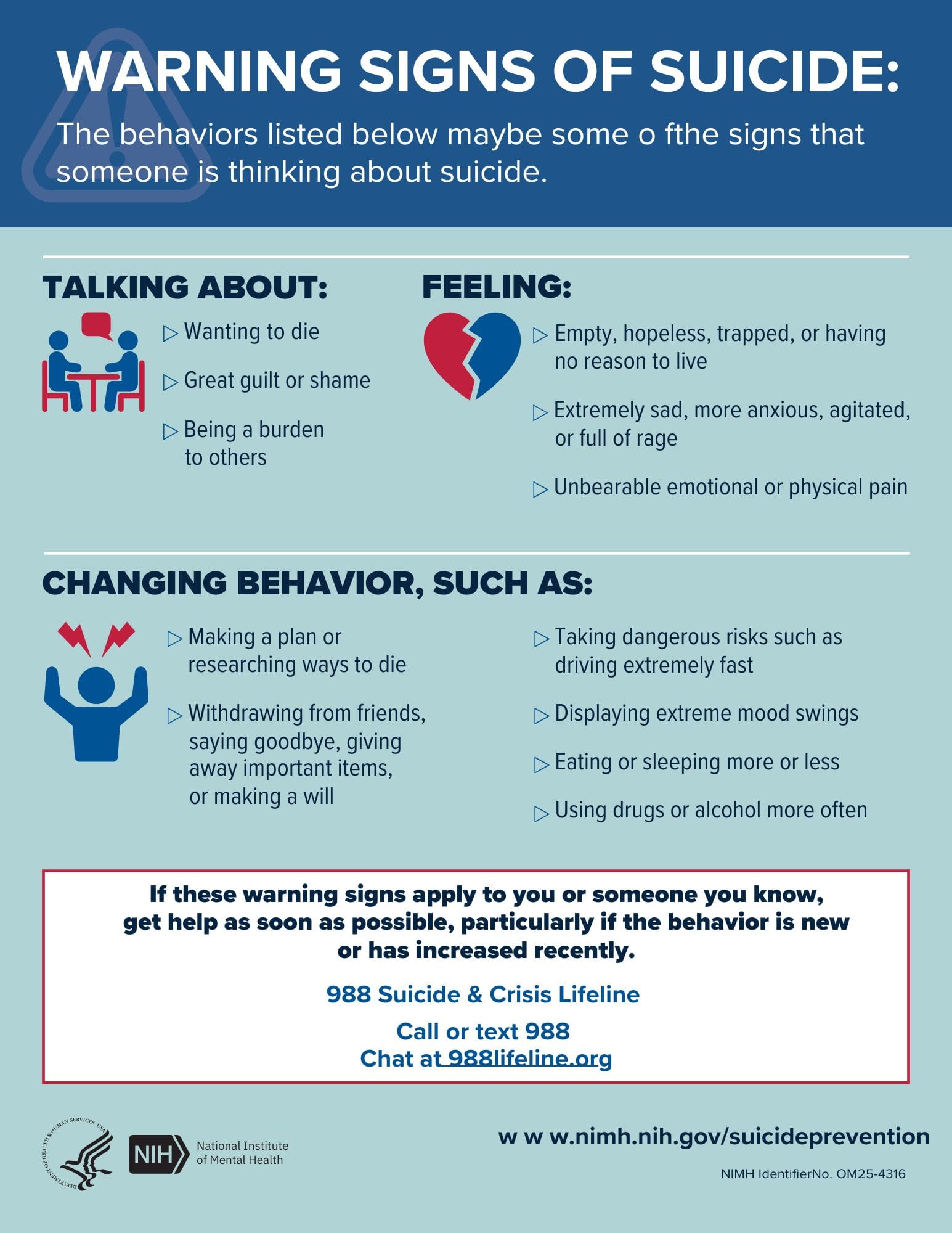
Learn to recognize the warning signs of suicide and mental health struggles. Knowledge empowers you to support someone who might be silently hurting.
✅ Start a Conversation
A simple “How are you really doing?” can open the door for someone to share what they’re going through. Be ready to listen.
✅ Share Resources
Post about helplines like the 988 Suicide & Crisis Lifeline, or local support groups.
✅ Support the Cause
Volunteer with or donate to mental health organizations:
Encourage your local, state, and federal representatives to make meaningful change with support services such as informed laws, better funding for mental health, and effective healthcare services.


You’re Not Alone
Whether you’re someone who’s lost a loved one to suicide, someone struggling with your own mental health, or someone simply trying to understand—September is for you.
📞 If you or someone you know is in crisis:
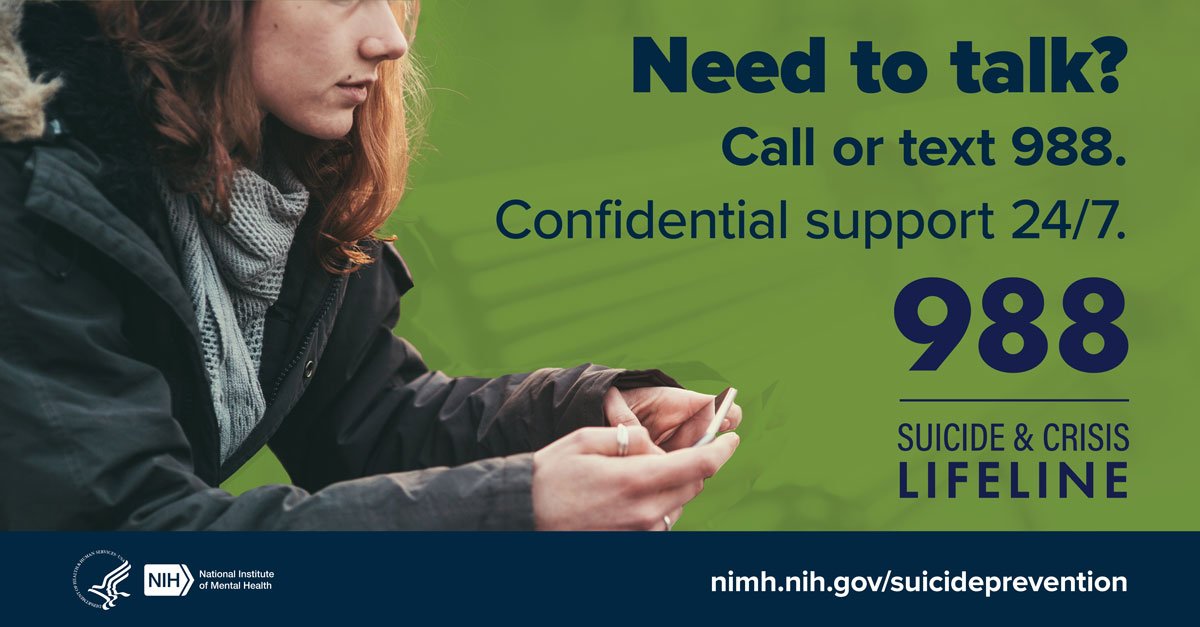
Call or text 988 to reach the Suicide & Crisis Lifeline—free, confidential support is available 24/7.


References:






https://www.nami.org/get-involved/awareness-events/suicide-prevention-month/